Membrane Switch Keypads vs. Mechanical Keypads: Which Is Right for Your Product?
When designing a product that requires user input, whether it’s an industrial control panel, medical device, or consumer appliance, the choice of interface can greatly influence performance, durability, and user experience. One of the most common considerations is deciding between membrane switch keypads and mechanical keypads. While both serve the same basic purpose, providing a way for users to interact with electronics, their designs, functions, and advantages differ significantly. Choosing the right one depends on your product’s intended use, environmental conditions, and operational requirements.
Understanding Membrane Switch Keypads
Membrane switch keypads are thin, flexible interfaces made up of multiple layers, including graphic overlays, spacers, conductive traces, and contact layers. These layers work together to register an electrical signal when a user presses a button. Instead of separate moving parts like in a mechanical keypad, membrane switches rely on pressure to create contact between conductive circuits. This design makes them highly durable, lightweight, and resistant to environmental damage.
The top layer of a membrane switch is typically a graphic overlay printed on materials such as polyester or polycarbonate. This layer not only serves as the visual interface for the user but also protects the internal circuitry from contaminants such as moisture, dust, and chemicals. Beneath the overlay lies a conductive circuit, often printed with silver or carbon ink, which transmits the signal to the underlying electronics when pressed.
Understanding Mechanical Keypads
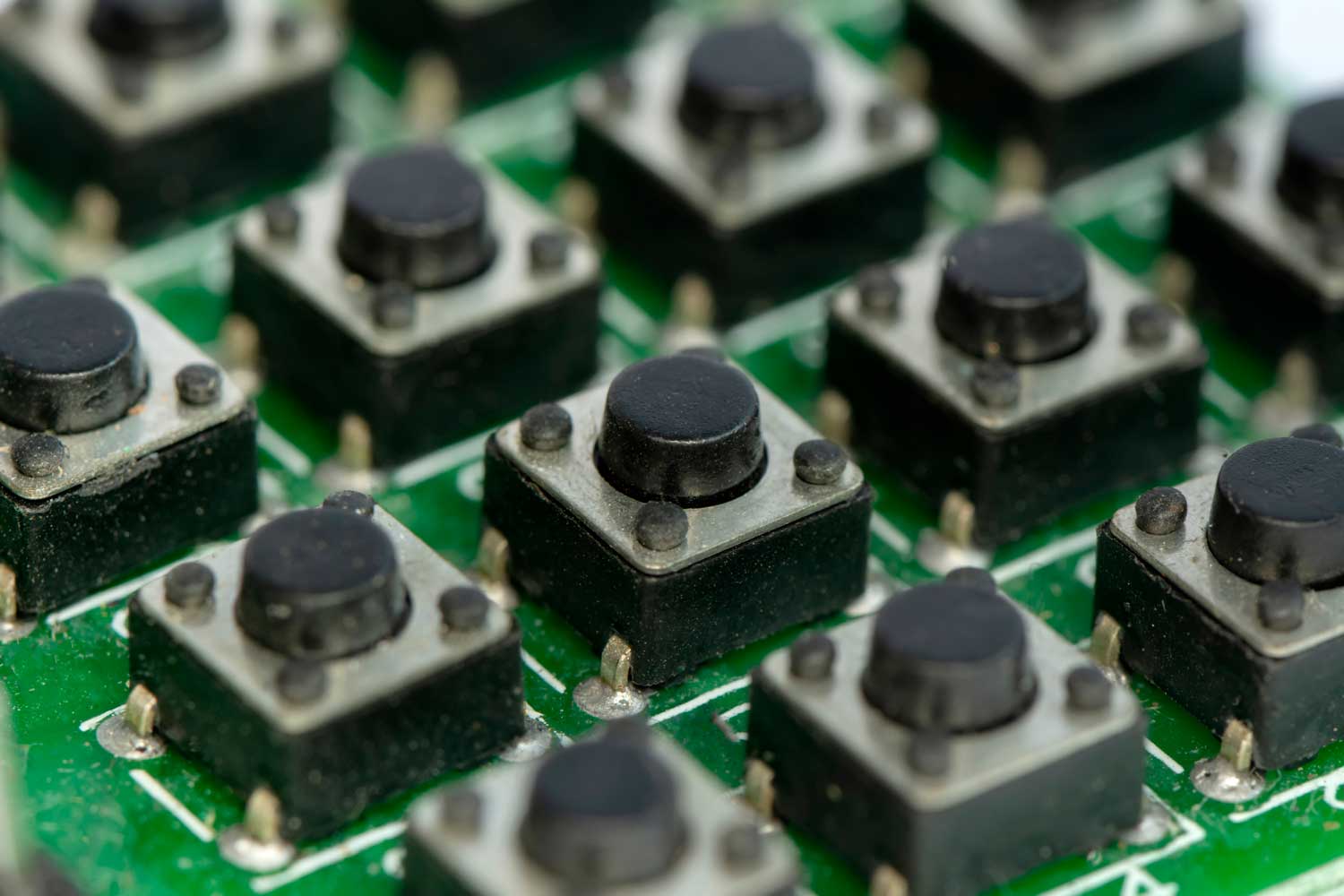
Mechanical keypads, on the other hand, consist of individual mechanical switches for each button. Each key has its own housing, spring, and electrical contact, providing tactile feedback when pressed. This traditional design is widely recognized for its distinctive “click” or actuation feel, which many users prefer for applications requiring precision or heavy use.
Mechanical keypads are found in everything from computer keyboards to industrial control systems. They are known for their long key travel, distinct feedback, and ease of replacement. However, they also tend to be bulkier, less resistant to environmental factors, and more expensive to produce compared to membrane designs.
Comparing Design and Construction
The most noticeable difference between membrane switch keypads and mechanical keypads lies in their construction. Membrane keypads have a flat, sealed surface composed of flexible layers. Mechanical keypads feature raised keys with independent mechanical switches. This structural distinction affects not only the overall appearance but also the performance and maintenance of each type.
Membrane keypads allow for a low-profile, modern design that’s easy to clean and resistant to contaminants. The sealed surface makes them ideal for environments where hygiene and durability are essential. Mechanical keypads, while offering greater tactile response, have open key structures that can collect dust or debris over time, making them less suitable for harsh or sterile settings.
Durability and Environmental Resistance
For equipment that must withstand challenging environments, durability is a top priority. Membrane switch keypads excel in this area. Their sealed design protects against moisture, dust, chemicals, and even UV exposure. This makes them ideal for outdoor applications, medical devices that undergo frequent cleaning, and industrial machines exposed to oils or solvents.
Mechanical keypads are more vulnerable to wear and tear because of their exposed moving parts. Repeated actuation over time can lead to key failure, mechanical fatigue, or corrosion. However, with proper care and quality materials, mechanical keypads can also offer long lifespans, particularly in indoor or controlled environments.
Tactile Feedback and User Experience
Tactile feedback, the sensation a user feels when pressing a key, is one of the most significant differences between the two keypad types. Mechanical keypads provide strong, audible feedback that helps confirm input. This makes them popular in applications where users must rely on physical cues, such as industrial control panels or computer keyboards.
Membrane switch keypads traditionally offer softer, quieter actuation. However, advancements in tactile dome technology now allow designers to incorporate distinct tactile responses into membrane switches. By adding metal or polyester domes beneath the surface, membrane switches can mimic the responsiveness of mechanical keys while maintaining their slim, sealed design.
Ultimately, the right choice depends on user preference and application needs. If users require clear physical feedback, mechanical switches may be preferable. If the priority is a smooth, sealed, and silent operation, membrane switches are often the better option.
Customization and Branding Potential
When it comes to customization, membrane switch keypads offer unmatched flexibility. The graphic overlay can be fully customized with colors, textures, and branding elements such as logos or backlit graphics. This makes them an excellent choice for companies that want to reinforce their brand identity directly on the user interface.
In contrast, mechanical keypads have more limited design options since each key is an individual component. While keycaps can be customized with different colors or printed symbols, achieving a fully integrated branded design is more complex and expensive.
Space and Weight Considerations
Space efficiency is a key advantage of membrane switch keypads. Their slim profile makes them ideal for compact devices where internal space is limited. The lightweight materials also reduce overall product weight, which is valuable for handheld devices or portable equipment.
Mechanical keypads, while sturdy, require more depth and spacing for each switch mechanism. This makes them less suitable for designs where size and weight must be minimized. For modern, compact, or portable products, membrane switches often provide a better engineering solution.
Maintenance and Longevity
Maintenance needs differ greatly between these two technologies. Membrane keypads are sealed and easy to clean, which reduces downtime and maintenance costs. Their flat surface prevents the accumulation of dirt or liquids, ensuring consistent performance even after years of use.
Mechanical keypads, however, require periodic cleaning and inspection. Dust and moisture can interfere with the switch mechanisms, causing sticking or failed inputs. While individual keys can be replaced, maintenance becomes more time-consuming in large key matrices.
That said, high-quality mechanical keypads can last for millions of actuations if properly maintained. Likewise, membrane switches designed with robust materials and coatings can achieve lifespans exceeding five million cycles or more.
Cost Considerations
Cost is often a determining factor in keypad selection. Membrane switch keypads generally have a lower manufacturing cost, especially for high-volume production runs. Their simple layered construction allows for efficient assembly and minimal component expenses.
Mechanical keypads are typically more expensive due to their complex structure and the number of individual components required. However, in applications where tactile feedback or modularity justifies the added expense, the investment can be worthwhile.
For projects seeking a balance between performance and cost-effectiveness, membrane keypads often present the most economical solution without sacrificing quality or functionality.
Application Suitability
Choosing between membrane and mechanical keypads depends largely on the application. Each has distinct strengths that make it better suited for specific environments.
Best Uses for Membrane Switch Keypads:
- Medical equipment requiring sterile, sealed interfaces
- Industrial control panels exposed to moisture or chemicals
- Consumer electronics with limited internal space
- Outdoor or marine devices needing UV and water resistance
- Appliances or machinery requiring custom-printed overlays
Best Uses for Mechanical Keypads:
- Equipment requiring precise tactile feedback
- Computer or communication devices with frequent key usage
- Applications needing replaceable or programmable switches
- Indoor environments with controlled conditions
Understanding where and how the keypad will be used ensures that performance and longevity meet expectations.
Technological Advancements in Membrane Switches
In recent years, innovations in materials and printing technology have significantly expanded the capabilities of membrane switch keypads. Modern designs can include LED backlighting, capacitive touch sensors, and integrated displays. These features allow for more dynamic and user-friendly interfaces without compromising durability.
Anagraphica, Inc. leverages cutting-edge printing and manufacturing techniques to produce membrane keypads that combine visual sophistication with industrial strength. Using advanced materials and adhesives, our designs ensure longevity even in extreme environments, maintaining both form and function for years of reliable service.
Making the Right Decision
The decision between membrane switch keypads and mechanical keypads ultimately depends on the specific demands of your product. For rugged environments, compact designs, and branding flexibility, membrane switches often provide superior performance. For applications emphasizing tactile response and modular repairability, mechanical keypads remain an excellent choice.
Working with an experienced manufacturer ensures that the chosen design meets both functional and aesthetic requirements. At Anagraphica, Inc., we help clients evaluate factors such as environmental conditions, user interface design, and cost targets to identify the best solution for their project.
Partnering with Anagraphica, Inc.
Designing an effective user interface requires more than selecting components; it demands expertise, precision, and quality materials. At Anagraphica, Inc., we specialize in manufacturing high-performance membrane switches, overlays, nameplates, and labels that meet the demands of industries worldwide. Our Salt Lake City facility combines over 40 years of experience with state-of-the-art technology to deliver durable and accurate solutions tailored to your specifications.
Whether you’re developing industrial machinery, medical equipment, or electronic devices, our team will collaborate with you to create keypads that enhance usability, branding, and product longevity. From concept to production, we ensure every part meets the highest standards of craftsmanship and reliability.
Contact us to learn more about how we can help you design durable, high-quality interfaces for your next project. Let our experience guide your innovation.
When it comes to industrial and electronic equipment, every detail counts. One small but critical component that often goes unnoticed is the custom faceplate. These precision-engineered panels not only protect controls and displays but also serve as a visual and functional interface between users and the machine. The quality, material, and design of a faceplate can directly impact usability, longevity, and brand perception. For industries where performance and durability are non-negotiable, designing durable custom faceplates requires careful attention to material selection, printing processes, and environmental factors.
Understanding the Role of Faceplates
Faceplates are more than just decorative covers; they’re an essential part of a product’s interface and protection system. They house control panels, switches, screens, and indicators, providing both structural support and surface protection. In machinery, medical devices, and electronic equipment, a faceplate often represents the first point of physical interaction for users. Because of this, it must balance visual clarity, tactile feedback, and resilience against environmental wear.
Beyond functionality, faceplates play a crucial branding role. A professionally designed and precisely printed faceplate can showcase a company’s logo, color scheme, and design language, reinforcing brand identity while ensuring compliance with industry standards. For manufacturers, the challenge lies in combining aesthetic appeal with rugged dependability.
Choosing the Right Material
Material selection is the cornerstone of designing a durable custom faceplate. The ideal material depends on several factors, including the product’s environment, intended lifespan, and exposure to elements such as chemicals, UV light, or temperature extremes. Common materials include:
- Polycarbonate (Lexan):
Known for its impact resistance and optical clarity, polycarbonate is often used in faceplates requiring transparency for backlighting or display windows. It’s ideal for applications where visual clarity and durability are both priorities, such as control panels in aerospace or medical industries.
- Polyester (Mylar):
Polyester offers superior chemical and abrasion resistance, making it a top choice for harsh industrial settings. It resists cracking, fading, and delamination even in environments exposed to solvents or oils. It’s particularly suited for membrane switch overlays and flexible user interfaces.
- Aluminum:
Metal faceplates are chosen for their strength and long-term durability. Anodized aluminum provides corrosion resistance and can withstand high temperatures, making it a preferred option for heavy machinery and outdoor equipment. Aluminum faceplates also allow for deep etching or engraving for permanent markings.
- Stainless Steel:
For environments demanding extreme durability, such as marine, medical, or military applications, stainless steel offers unmatched resistance to corrosion and mechanical wear. It also conveys a premium aesthetic that enhances the perceived quality of the equipment.
Each material type has its own benefits and limitations, so understanding the intended use case is vital before production begins. At Anagraphica, Inc., our specialists guide clients through the material selection process to ensure optimal performance under real-world conditions.
Surface Treatments and Protective Coatings
Even the toughest materials can degrade over time without proper finishing. Protective coatings and treatments enhance the resilience of faceplates, especially in environments subject to heat, moisture, or chemical exposure. Options include:
- Hard Coatings: Add scratch resistance to plastic faceplates, maintaining visual clarity and print integrity.
- UV Coatings: Protect against sunlight-induced fading and discoloration.
- Anti-Glare Finishes: Improve visibility under bright lighting conditions, especially for control panels and display surfaces.
- Chemical-Resistant Laminates: Prevent corrosion and staining from solvents, oils, or cleaning agents.
These coatings not only prolong the life of the faceplate but also maintain legibility and aesthetic appeal over years of use.
Precision Printing and Graphics
The graphics on a faceplate serve functional and aesthetic purposes. From simple legends and numeric markings to detailed full-color branding, precision printing ensures that every line, color, and label remains sharp and readable. The printing method chosen affects both durability and cost-efficiency.
- Screen Printing:
This traditional method provides vibrant colors and high opacity, ideal for bold text and logos. In industrial settings, screen printing offers excellent resistance to abrasion and UV exposure.
- Digital Printing:
Modern digital printing allows for complex gradients, variable data, and high-resolution imagery. It’s perfect for short runs or prototypes requiring design flexibility without the setup time of screen printing.
- Subsurface Printing:
For maximum durability, graphics are printed on the underside of transparent materials. This shields the ink from abrasion and chemicals, making it a go-to method for demanding applications.
Anagraphica, Inc. employs state-of-the-art printing technologies that guarantee accuracy, consistency, and resilience across all production volumes. Whether a client needs high-volume runs or one-off prototypes, we maintain tight tolerances to ensure the final product meets both visual and functional specifications.
Designing for Environmental Resistance
Faceplates must endure the same stresses as the machines they serve. Harsh industrial environments introduce challenges like extreme heat, cold, moisture, and vibration. Proper design can mitigate these issues. Key considerations include:
- Temperature Resistance: Selecting materials and inks rated for the full temperature range that the equipment will experience.
- Sealing and Adhesion: Using high-performance adhesives or mechanical fasteners to ensure the faceplate stays securely attached to the surface.
- Moisture Barriers: Employing waterproof laminates and edge sealing for outdoor or marine applications.
- Corrosion Protection: Especially critical for metallic faceplates used in humid or chemical-heavy environments.
Anagraphica’s engineers work closely with clients to simulate use conditions, ensuring each faceplate withstands the test of time. Durability is not an afterthought; it’s engineered from the very beginning of the design process.
Ergonomics and User Interface Considerations
Faceplates often serve as the interface between humans and machines. For this reason, usability is just as important as endurance. Ergonomic design considers factors such as tactile feedback, readability, and intuitive layout. Good design ensures that operators can use equipment efficiently and safely, even in low-light or high-stress conditions.
Features that enhance usability include:
- Tactile Embossing: Raised buttons or symbols guide operators’ touch without visual confirmation.
- Backlighting Windows: Transparent or translucent sections enable illumination for night operation.
- Color Coding and Iconography: Visually distinguishes controls for quick identification and improved safety.
By combining ergonomic design with durable materials, Anagraphica creates faceplates that improve both functionality and operator satisfaction.
Compliance and Industry Standards
In many industries, compliance isn’t optional. Regulatory bodies often dictate material performance, labeling clarity, and safety markings. From UL-approved materials to RoHS-compliant inks, adherence to standards ensures that products meet both legal and operational requirements.
Anagraphica’s team understands the nuances of these certifications. Our production processes comply with industry regulations, giving clients peace of mind that their faceplates meet the highest standards of safety and reliability.
Customization and Branding Opportunities
Custom faceplates provide a powerful opportunity for branding. Beyond functional markings, faceplates can elevate a product’s appearance and reflect a company’s identity. With the right combination of color, typography, and layout, even a simple control panel can become an extension of the brand.
Anagraphica offers full customization options, including color-matching to corporate palettes, precision logo reproduction, and unique design features such as metallic finishes or texture variations. These enhancements not only improve the product’s aesthetic appeal but also create a cohesive visual identity across multiple product lines.
Prototyping and Production Scalability
Whether you’re a startup developing your first device or an established manufacturer producing thousands of units, scalability is essential. Prototyping allows engineers to test fit, finish, and functionality before full-scale production. At Anagraphica, we offer rapid prototyping capabilities to help clients visualize and refine their designs without costly delays.
Our production facilities are equipped to handle both small custom orders and large-scale manufacturing with equal precision. With over 40 years of experience in precision printing, our team ensures seamless transitions from design to delivery, maintaining consistent quality across every unit produced.
The Value of Experience and Partnership
Designing durable faceplates requires more than technical skill; it demands insight into real-world performance. Partnering with a seasoned manufacturer ensures that every element, from substrate selection to ink formulation, is optimized for longevity and performance.
Anagraphica, Inc. brings decades of expertise to each project. Our Salt Lake City-based facility combines advanced printing technology with meticulous craftsmanship. We understand that every client has unique needs, and we pride ourselves on delivering tailored solutions that perform flawlessly in any environment. Our clients range from small businesses seeking custom branding to multinational corporations requiring complex, multi-layered overlays.
Quality Assurance and Inspection
Durability begins with precision. Each faceplate produced by Anagraphica undergoes rigorous inspection to verify dimensional accuracy, color consistency, and adhesion quality. Through both automated and manual quality checks, we ensure that every component meets or exceeds client specifications. This commitment to quality is what has earned us long-standing relationships with clients across diverse industries worldwide.
Partner with Anagraphica for Your Next Project
Designing durable custom faceplates for electronics and machinery is both an art and a science. It requires a deep understanding of materials, precision printing, and environmental performance. At Anagraphica, Inc., we take pride in transforming client concepts into high-quality, lasting components that protect, perform, and promote. Our commitment to durability, precision, and customer satisfaction has positioned us as a trusted partner for industries where reliability is paramount.
Whether you need custom faceplates, nameplates, membrane switches, or graphic overlays, our team has the experience and technology to bring your vision to life. Explore our full range of solutions and start your next project with confidence.
Custom Membrane Switches: Tailoring User Interfaces for Complex Machinery
When equipment becomes more capable, the control surface must keep pace. Operators need interfaces that are intuitive, durable, and responsive—even in harsh environments or high-stakes workflows. That’s exactly where custom membrane switches shine. By shaping the switch architecture, materials, graphics, and electronics around the realities of your machine and its users, you can deliver a control panel that feels effortless in hand, stands up to abuse, and communicates clearly in any context. This article explores how tailored membrane switch design turns complex machinery into approachable tools—and what to consider as you plan your next HMI (human-machine interface).
What Is a Membrane Switch?
A membrane switch is a low-profile electrical switching system typically composed of multiple thin layers: a printed circuit layer, spacer, and top overlay. When the user presses a key area on the overlay, a contact closes on the circuit below to trigger a function. Because the layers are sealed and the form factor is slim, membrane switches can create sleek, cleanable, and reliable interfaces—ideal for medical devices, industrial controls, laboratory instruments, defense electronics, transportation equipment, and more.
While “membrane switch” may suggest a single standard configuration, the reality is far more flexible. The “membrane” is a platform: you can specify tactile or non-tactile response, integrate LEDs or light-guide films, add EMI/RFI shielding, incorporate windows and display apertures, tune actuation forces, select adhesives for specific substrates, and choose graphic finishes that suit operating conditions. In short, customization is the default.
Why Customization Matters for Complex Machinery
Complex machinery typically involves dense feature sets, nuanced operating modes, and demanding environments. Off-the-shelf controls often fall short in three ways:
- Cognitive load: If labels are vague, layouts are illogical, or feedback is inconsistent, operators hesitate, make mistakes, or require more training.
- Environmental mismatch: Dust, fluids, UV exposure, chemicals, washdowns, or temperature swings can degrade generic overlays and connector systems.
- Integration fit: Controls must align with enclosures, displays, PCBs, and harnesses. A millimeter off in tail routing or a poor adhesive choice can ripple into failures.
Custom membrane switch design addresses these issues directly. You can arrange keys to mirror workflow steps, differentiate priority functions, color-code modes, and pair actions with illumination or haptic confirmation. On the mechanical side, you can harden the assembly with appropriate materials, gasketing, and protective coatings. Electrically, you can tune travel and snap to reduce fatigue or prevent accidental activations. The result is an interface that feels “made for the job” because it is.
Key Design Variables to Get Right
Before any artwork is drawn, good design starts with discovery. The best results come from a structured conversation about:
- Use environment: Temperature range, humidity, UV exposure, chemicals/cleaning agents, particulates, liquid ingress, ESD risk, and vibration.
- Operator context: Gloves or bare hands, typical posture, line-of-sight, ambient lighting, noise levels, and time-critical tasks.
- Duty cycle: Expected number of actuations, continuous vs. intermittent use, and acceptable downtime for maintenance.
- Enclosure details: Surface energy of the bonding substrate (e.g., powder-coat, aluminum, ABS), curvature, available recesses, and display/LED locations.
- Electrical architecture: Required key matrix, tail length, connector type, grounding/shielding needs, and compatibility with upstream electronics.
- Regulatory constraints: UL recognition, RoHS/REACH considerations, and sector-specific requirements (e.g., medical or transportation).
These inputs guide material selection, stack-up, and feature choices.
Materials and Stack-Up Fundamentals
A typical custom stack-up might include:
- Graphic overlay: Polycarbonate or polyester (PET). PET often wins for higher flex life and chemical resistance; polycarbonate offers excellent printability and clarity. Hard-coat and UV-stable films improve abrasion and sunlight resistance. Finish can be glossy, matte, textured, or mixed (e.g., matte body with glossy windows).
- Adhesives: Pressure-sensitive adhesives tuned to your substrate (e.g., aluminum, painted metals, plastics). High-bond options help on low-surface-energy coatings. Thickness and foam cores can also serve as a conformal layer if the enclosure surface isn’t perfectly flat.
- Circuit layer: Screen-printed silver/carbon inks on PET, or flexible copper circuits when tighter tolerances or complex routing is required. Carbon top-coats increase wear resistance on contact areas.
- Spacer(s): Maintain an air gap for switch travel and prevent unintended contact.
- Domes (optional): Metal or polydome elements to create a crisp tactile “snap” with defined actuation force and audible feedback.
- Shielding (optional): Printed carbon grids, metal foils, or ITO films for EMI/RFI mitigation and ESD protection.
- Gasket layers (optional): To improve ingress protection, often used alongside properly designed venting and perimeter sealing features.
Every layer serves a purpose. The art is balancing performance, manufacturability, and cost for your specific application.
Tactile Mechanics and the Feel of Quality
The “feel” of a switch is central to usability. Pressing a key should be decisive, not mushy; reassuring, not fatiguing. Designers often focus on three factors:
- Actuation force: The grams of force required to close the contact. Lower forces can help with rapid inputs or reduce strain, while higher forces can guard against accidental activations, especially when operators wear gloves or lean across panels.
- Travel distance and snap ratio: Travel affects how much motion the operator perceives; snap ratio (the percentage difference between actuation and release forces) contributes to that “click” sensation. Metal domes provide crisp feedback with long, repeatable life; polydomes offer more tunability in feel and cost.
- Key size and spacing: Larger targets are easier to find without looking; adequate spacing prevents mis-presses. Key geometry can also guide the hand—think recessed “Start” or raised “Emergency Stop” to create tactile hierarchy.
A thoughtful tactile profile is not just user-friendly; it’s a safety feature in equipment that can’t afford unintended commands.
Illumination: From Status Indication to Guidance
Lighting elements elevate both aesthetic and function. Options include:
- Discrete LEDs: Simple and reliable. You can place individual LEDs under key legends for state indication, or adjacent to windows and icons. Diffusers help avoid hot spots.
- Light-guide films (LGF): Ultra-thin optical films that spread light from one or more LEDs across an area, enabling uniform backlighting for multiple keys or entire zones with minimal thickness.
- Dead-front graphics: Legends that are invisible when unlit and appear only when illuminated—great for mode-dependent controls or minimalist design.
- Color coding: Blue for standby, green for ready, amber for warnings, red for critical faults. Consistent color language reinforces quick decision-making.
These illumination strategies aren’t “bling”—they’re communication. In loud or low-visibility environments, a glowing cue can be the difference between hesitation and action.
Haptic and Advanced Feedback
Beyond classic tactile domes, some applications benefit from enhanced haptics:
- High-snap domes: Provide sharper tactile confirmation for gloved use or high-vibration settings.
- Localized haptic actuators: In certain hybrid designs, compact actuators can add a subtle vibration pulse for confirmation. Integration requires close coordination with the electronics team and careful mechanical isolation to keep vibrations localized.
- Audible feedback: Metal domes naturally create a faint click; intentional acoustic design (panel stiffness, dome selection) can fine-tune that cue.
The goal is redundant, multimodal feedback: the eye sees the light, the finger feels the click, and—if appropriate—the ear hears confirmation. Redundancy builds confidence.
Connectivity and Electronics Integration
A custom membrane switch must join your system cleanly:
- Tail geometry and connector choice: Pitch, pin count, and tail length should match board placement to prevent strain. Common terminations include ZIF, FFC, and crimped contacts.
- Matrix design vs. direct lines: For many keys, a matrix reduces traces and tail width; firmware handles de-ghosting and scanning. For safety-critical inputs (e.g., E-stop), dedicated lines with hardware interlocks may be warranted.
- Grounding and shielding: Proper ground planes, shielding layers, and ESD discharge paths protect sensitive electronics and reduce nuisance resets.
- Co-location with displays: Integration with LCDs or touch modules calls for coordinated windows, gaskets, and alignment features to avoid light leakage and dust ingress.
Early collaboration between mechanical, electrical, and manufacturing teams eliminates surprises and shortens time to market.
Graphics, Branding, and Human Factors
A membrane switch overlay is not just a label—it’s your brand’s handshake. Done well, it communicates hierarchy, sequence, and meaning at a glance.
- Type and iconography: Clear font choices, adequate contrast, and universally understood symbols reduce training time and errors.
- Finish and texture: Selective textures can guide fingers to primary keys, while glossy windows preserve display clarity.
- Color accuracy: Pantone-matched inks keep brand consistency across product lines.
- Windows and lenses: Hard-coated, optically clear windows maintain readability and resist scratching; tinted windows can improve display contrast or hide internal components.
Human-factors-driven graphics help complex systems feel approachable and “obvious.”
Durability and Environmental Protection
Complex machinery often faces tough conditions. Design for:
- Ingress protection: Perimeter seals, rear gaskets, and proper venting can help achieve IP-rated protection when paired with the right enclosure design.
- Chemical resistance: Choose overlays and inks compatible with cleaners, fuels, oils, or disinfectants. PET and hard-coat films perform well here.
- Abrasion and UV: Textured and hard-coat finishes resist scuffs; UV-stable materials and inks prevent yellowing and fading outdoors.
- Thermal resilience: Select adhesives and substrates rated for your operating and storage temperatures to prevent warping or delamination.
Preventive durability is always cheaper than field failures.
Prototyping, Testing, and Design for Manufacturability (DFM)
Custom work benefits from thoughtful iteration. Rapid prototypes can validate:
- Ergonomics: Key spacing, layout logic, and legend clarity.
- Feel: Actuation force, snap, and travel with real domes and spacers.
- Optics: Light uniformity, color accuracy, and dead-front effects.
- Fit: Tail routing, connector access, and enclosure interfaces.
On the production side, DFM practices—consistent line weights, tolerance stacks, registration targets, and panelization strategies—ensure repeatability and control cost. Clear acceptance criteria (actuation force windows, illumination levels, color tolerances, life-cycle tests) set expectations and protect both buyer and supplier.
Compliance and Documentation
Depending on your market, you may need:
- Material declarations: RoHS/REACH statements and UL-recognized components.
- Traceability: Lot codes for inks, films, adhesives, and domes.
- Test records: Electrical continuity, actuation force testing, cycle life, and illumination measurements.
Documenting the build—from stack-up drawings to color targets—streamlines future revisions and ensures consistency across production runs.
Total Cost of Ownership: The Case for Custom
Custom membrane switches may look more expensive than commodity parts at first glance. But when you account for:
- Reduced operator error and training time
- Fewer field failures due to environmental mismatch
- Faster assembly and fewer integration headaches
- Longer service intervals and easier cleaning
…the lifecycle cost typically tips in favor of a well-engineered, application-specific interface. In capital equipment, shaving minutes off routine tasks or preventing a single misuse event can pay for the panel many times over.
Snapshot Use Cases
1) Medical analyzer:
A compact lab instrument needs wipe-down resistance and glove-friendly keys. The solution: a PET overlay with chemical-resistant hard-coat, high-snap metal domes for confident actuation, and LGF backlighting that highlights only the steps available in the current mode. Dead-front legends keep the panel calm until needed, reducing cognitive load for busy techs.
2) Outdoor industrial pump controller:
Exposure includes UV, dust, and temperature swings. A UV-stable overlay with textured finish resists abrasion; perimeter gasket and adhesive stack create a robust seal to the powder-coated enclosure. Bright discrete LEDs convey status, and raised key borders prevent accidental presses while wearing gloves.
3) Transportation cabin module:
Space is tight, and EMI from adjacent systems is a concern. A copper-based flex circuit offers tight routing and reliable grounding. An integrated shielding layer protects sensitive electronics, and tinted windows hide internal indicators until illuminated for maintenance tasks.
FAQs
What customization options are available for membrane switches?
Almost every layer and feature can be tailored to your machine and users. Common options include:
- Overlay materials and finishes: Polyester or polycarbonate, hard-coat, textures, anti-glare, anti-microbial coatings, and optically clear windows.
- Tactile response: Metal domes or polydomes with specific actuation forces and snap characteristics; non-tactile keys for silent operation.
- Illumination: Discrete LEDs, light-guide films for uniform backlighting, dead-front graphics, and color-coded status schemes.
- Circuit technology: Printed silver/carbon on PET, or copper-based flexible circuits for tighter tolerances; single- or multi-layer with shielding.
- Sealing and durability: Gaskets, venting strategies, adhesives matched to your enclosure, and materials resistant to chemicals, UV, and abrasion.
- Connectivity: Tail length and pitch, ZIF/FFC connectors, strain reliefs, and custom routing to your PCB.
- Branding and layout: Pantone-matched colors, iconography, key shapes, raised features, and layout schemes that mirror your workflow.
A good design process starts with your environment and tasks, then matches features accordingly.
Can custom switches integrate with lighting or haptic feedback?
Yes. Lighting and haptics are common in custom designs:
- Lighting: Add discrete LEDs under individual keys or use light-guide films to spread light evenly across multiple buttons or larger zones. Pair with diffusers to eliminate hot spots and use dead-front legends for clean aesthetics.
- Haptics: Choose dome profiles that create the right “click” for gloved or bare-hand use. For specialized applications, designers can incorporate localized haptic actuators to provide a short vibration cue. Coordination with mechanical and electrical teams ensures power, isolation, and longevity are addressed.
These feedback channels reinforce correct operations, especially in environments where sight lines are limited or noise is high.
How does custom design improve equipment usability?
Custom design translates your operating logic into physical form:
- Information hierarchy: Primary actions stand out via size, color, or backlighting; secondary or mode-specific controls recede until needed.
- Error reduction: Clear labels, tactile differentiation, and redundant feedback (visual, tactile, audible) reduce mis-presses and hesitation.
- Faster training: Intuitive layouts that mirror task flow—setup → run → verify—shorten onboarding for new operators.
- Fatigue management: Tuned actuation forces and sensible spacing reduce strain during high-frequency interactions.
- Environmental fit: Materials and sealing strategies ensure the interface remains legible, responsive, and intact despite cleaning, UV, or vibration.
Together, these outcomes translate directly into productivity, safety, and user satisfaction.
Why Partner with Anagraphica, Inc.
Design is only half the equation; execution is the other half. At Anagraphica, Inc., we specialize in precision printing solutions tailored to industries that demand durability, accuracy, and high performance. From our base in Salt Lake City, Utah, we support businesses nationwide and internationally with expertly crafted graphic overlays, durable labels, nameplates, and membrane switches that stand up to the toughest environments.
What sets us apart?
- Four decades of experience: With more than 40 years in the field, we’ve seen—and solved—most interface challenges.
- Cutting-edge printing technology: We combine proven methods with modern equipment to deliver repeatable quality and crisp, consistent graphics.
- Versatility and scale: We partner with both small businesses and large corporations, handling orders of any size efficiently without compromising standards.
- Customer-first craftsmanship: Our team focuses on details that matter—color accuracy, clean registration, robust adhesives, and vetted materials—so your panel performs from day one.
Whether you need a straightforward overlay or a highly engineered membrane switch with backlighting, shielding, and specialized haptics, we bring the process discipline and manufacturing depth to make it real.
Getting Started: A Practical Path to a Better Interface
If you’re early in the process, start by gathering the essentials:
- Use case summary: What tasks will the operator perform? In what sequence? Which actions are safety-critical?
- Environment checklist: List the worst-case exposures—cleaners, fuels, dust, UV, temperature extremes, water ingress.
- Mechanical constraints: Provide drawings or models of your enclosure, display locations, and any recesses or bezels.
- Electrical overview: Share key counts, desired illumination, anticipated connector type, and any shielding requirements.
- Brand and regulatory inputs: Logos, Pantone colors, icon libraries, and any applicable standards.
From there, a collaborative design sprint can produce initial stack-ups, overlay concepts, and a prototype plan. Iteration is fast; the earlier we align on goals, the smoother your path to production.
The Bottom Line
In complex machinery, control surfaces are not a place to compromise. Custom membrane switches convert intricate systems into confident, everyday tools—combining durability, clarity, and feedback in a thin, sealed package. By tailoring materials, tactility, lighting, connectivity, and graphics to your environment and workflows, you reduce error, speed training, and extend the life of your equipment. That’s the value your operators feel in every press—and your customers notice in every outcome.
Contact Us Today
Ready to turn a complex control problem into an elegant, durable interface? Anagraphica is here to help. We’ve spent over 40 years building precision overlays, labels, nameplates, and membrane switches that deliver in real-world conditions—on time and on spec. Whether you’re refining an existing panel or launching a new platform, our team can translate your requirements into a manufacturable, high-performance solution.
Let’s build an interface your operators will trust from the first touch. Contact us to start the conversation.
Top Features to Expect from Leading Membrane Switch Manufacturers
When choosing membrane switch manufacturers, you’re not just buying a part—you’re selecting a strategic partner who can elevate your product’s performance, usability, and longevity. Whether you’re in medical devices, industrial controls, consumer electronics, or aerospace, the quality of your user interface matters. Membrane switches are critical components that demand precision engineering, reliable functionality, and high durability.
Understanding the Role of Membrane Switches
Membrane switches are user-interface systems that activate circuits when pressure is applied to a flexible surface. They are widely used in environments where rugged performance, space efficiency, and cleanliness are priorities. Unlike mechanical switches, membrane switches have fewer moving parts, which makes them more resistant to moisture, dust, and wear.
Because they’re often customized for a specific product or industry, choosing the right manufacturer is essential to ensure that your membrane switch performs flawlessly under expected conditions.
1. Customization Capabilities and Tailored Design
One of the most crucial features of any reputable membrane switch manufacturer is the ability to offer fully customized solutions. Leading manufacturers do not rely on one-size-fits-all approaches—they tailor their membrane switches to each client’s unique operational and branding requirements.
What this includes:
- Graphic overlay design and branding integration
- Circuit layout tailored to device architecture
- Integration of features like backlighting, shielding, or tactile feedback
- Compatibility with enclosure design and environmental sealing
High-quality manufacturers work closely with engineers, designers, and procurement teams to ensure that every detail—from button placement to actuator force—is designed to meet end-user needs.
2. In-House Prototyping and Engineering Support
Prototyping is a vital step in the membrane switch development process. It allows for testing of functionality, fit, and user experience before committing to full-scale production.
Top-tier membrane switch manufacturers offer in-house prototyping capabilities, allowing clients to rapidly iterate and refine their designs. At this stage, expert engineering support makes all the difference. This collaboration ensures that the product meets technical, regulatory, and aesthetic goals.
Benefits of manufacturer-supported prototyping:
- Accelerated design validation cycles
- Hands-on consultation with engineers
- Identification of cost-saving design adjustments
- Early detection of performance risks
3. Durability Under Harsh Conditions
Membrane switches are often deployed in demanding environments, from medical sterilization rooms to outdoor equipment exposed to UV and moisture. This makes durability a non-negotiable requirement.
Top manufacturers ensure long-term performance by offering:
- UV-resistant materials for outdoor use
- Chemical-resistant overlays for lab and medical equipment
- Waterproof sealing (IP-rated enclosures)
- Long-life actuation cycles (up to 1 million presses or more)
- Temperature-resilient adhesives and substrates
For instance, Anagraphica, Inc. specializes in producing components that endure years of wear and environmental exposure while maintaining clear labeling, functional responsiveness, and brand integrity.
4. Precision Printing and Material Quality
High-resolution printing isn’t just a cosmetic benefit—it ensures legibility, user instruction clarity, and product consistency. Look for manufacturers that utilize advanced printing technologies such as screen printing, digital printing, and UV-cured inks for lasting visual quality.
Additionally, the choice of materials matters:
- Polyester is typically preferred over polycarbonate for higher switch life.
- Textured surfaces offer better abrasion resistance.
- High-clarity windows allow LED indicators to shine through vividly.
A manufacturer’s access to premium films, adhesives, and dome switches directly influences the lifespan and tactile performance of the final product.
5. Integrated Technologies and Features
The membrane switch market has evolved far beyond simple push-button panels. Today’s applications demand multifunctional interfaces with integrated technologies.
- LED or fiber-optic backlighting for visibility in dark settings
- Capacitive touch integration for modern UX expectations
- EMI/RFI shielding to ensure compliance in electronic environments
- Force sensors and custom feedback systems
- Embedded controllers or hybrid PCBs for smart devices
These features enable clients to offer intuitive, safe, and high-performance user interfaces, which are critical for industries such as aerospace, industrial automation, and medical diagnostics.
6. Compliance with Industry Standards
Whether your product is destined for the healthcare market or defense sector, regulatory compliance is key. Established manufacturers are well-versed in UL, RoHS, REACH, and ISO standards and can produce documentation and testing records to support your compliance needs.
Certifications to look for:
- ISO 9001: Quality Management Systems
- UL-listed components and materials
- ITAR registration (for U.S. military applications)
- FDA compliance for medical equipment components
These not only ensure quality and safety but also reduce the risk of production delays or product recalls.
7. Efficient Production Capabilities
In addition to prototyping, the ability to ramp up to full-scale production quickly and cost-effectively is a defining feature of top-tier manufacturers. Efficient manufacturing operations include:
- Streamlined supply chains
- Short lead times
- Scalable production runs (from small batches to large-scale orders)
- Automated quality control and inspection systems
Manufacturers like Anagraphica, Inc. balance artisanal attention to detail with the operational capability to handle enterprise-scale production needs, making them suitable for startups and Fortune 500 companies.
8. Exceptional Customer Support and Technical Expertise
The manufacturing process doesn’t end once the product is delivered. Reputable membrane switch manufacturers provide post-sale support, technical guidance, and flexibility for product updates.
Look for a team that:
- Responds quickly to inquiries
- Offers ongoing engineering consultation
- Provides clear documentation and product specs
- Helps troubleshoot issues in integration or deployment
Clients benefit immensely from working with a team that views success as a long-term partnership rather than a single transaction.
Frequently Asked Questions
What distinguishes high-quality membrane switch manufacturers?
High-quality membrane switch manufacturers distinguish themselves through engineering excellence, material quality, robust customization options, and a strong track record of reliability. These manufacturers offer prototyping and design consultation, in-house quality assurance, compliance with industry regulations, advanced printing and fabrication technologies, and exceptional customer service and technical support. Manufacturers that invest in R&D, maintain ISO certifications, and demonstrate mastery in durable label and overlay production stand out in a competitive market.
Do manufacturers offer prototyping and design assistance?
Yes, most leading membrane switch manufacturers offer both prototyping and design assistance. Prototyping enables testing for tactile feel, layout, fit, and performance, helping ensure that the final product aligns with user expectations. Design support includes help with schematic layouts, overlay artwork, material selection, circuit optimization, and environmental protection strategies. Partnering early in the design process leads to better outcomes and often reduces costs associated with redesigns later.
How do manufacturers ensure long-term switch durability?
Durability is ensured through careful material selection (e.g., UV-resistant polyesters and chemical-resistant coatings), quality-controlled printing and assembly processes, sealed designs to meet environmental ratings (IP65, IP67), rigorous lifecycle testing (millions of actuations), and integration of weatherproof adhesives and tactile domes. In essence, high-end manufacturers build switches to withstand the mechanical, chemical, and thermal stresses specific to your application.
Why Choose Anagraphica, Inc. for Membrane Switch Manufacturing?
40+ Years of Expertise
Our decades of experience allow us to anticipate potential issues and guide our clients toward the most durable and efficient solutions. We’ve served industries ranging from aerospace and defense to industrial automation and medical diagnostics.
Precision and Quality
We use state-of-the-art printing and fabrication technology to craft high-quality overlays, nameplates, and membrane switches that are visually stunning and mechanically resilient. Every product undergoes strict inspection to ensure the highest performance standards are met.
Tailored to Your Needs
Our solutions are designed to scale with your needs from low-volume prototyping to high-volume production runs. We support your engineering and design team every step of the way—customizing not just for aesthetics but for function, environment, and longevity.
Trusted Nationwide and Internationally
Our reputation for delivering dependable, precision-crafted components has made us a trusted partner for clients across the United States and abroad. Whether you’re a small startup or a global brand, we treat every project with the same level of dedication and care.
Final Thoughts
Choosing a membrane switch manufacturer is a decision that impacts your product’s performance, reliability, and user satisfaction. Look for a manufacturer that offers tailored solutions, robust durability, advanced features, and unwavering support.
Whether you’re developing a cutting-edge medical device or rugged industrial controls, the right manufacturer is more than just a vendor—they’re a long-term partner in your product’s success.
Ready to Start Your Next Project?
Contact us today to discuss your membrane switch or precision printing needs. Based in Salt Lake City, Utah, we bring over 40 years of expertise, world-class equipment, and a commitment to your satisfaction. Let’s work together to build the high-performance components your products deserve.
Reliability, efficiency, and durability are paramount in modern industrial equipment. One component that exemplifies all three qualities is the membrane switch, a sophisticated, low-profile interface that plays a critical role in countless applications. Although they may go unnoticed by most users, membrane switches are vital to the functionality of many high-performance machines across diverse industries, from medical devices and military hardware to heavy equipment controls and industrial automation systems.
What Is a Membrane Switch?
A membrane switch is an electrical switch used to turn a circuit on or off. Unlike mechanical switches with moving parts, membrane switches are constructed from multiple layers of flexible materials, typically including:
- A graphic overlay (the user interface)
- A spacer layer
- A circuit layer (conductive ink or copper/polyester traces)
- A rear adhesive for mounting
These layers work together to form a sealed system. When a user presses a specific area of the switch, the top conductive layer collapses to make contact with the bottom layer, closing the circuit and sending a signal to the device’s control board.
Membrane switches can be customized with tactile feedback (via metal domes or embossed buttons), backlighting, shielding against electrostatic discharge (ESD), and more, making them highly versatile for demanding environments.
Why Membrane Switches Are Vital in Industrial Equipment
Industrial environments are known for their harsh conditions—extreme temperatures, humidity, chemical exposure, dust, and continuous usage. Membrane switches are engineered to thrive in these conditions, which is why they’re a go-to solution in sectors like manufacturing, transportation, medical instrumentation, and defense.
Here’s why they’re indispensable:
- Sealed Construction – Their hermetically sealed design prevents ingress of dust, moisture, and debris.
- Long Lifecycle – Membrane switches typically last over 1 million actuations, far exceeding traditional mechanical switches.
- Space Efficiency – Their flat, compact form factor allows them to integrate easily into small or portable equipment.
- Design Flexibility – Customizable to any shape, color, or graphic design—ideal for intuitive operator interfaces.
- Enhanced Safety – Optional shielding from electromagnetic interference (EMI) or ESD reduces system vulnerability.
- Ease of Cleaning – A seamless surface allows for wipe-downs, reducing contamination in cleanrooms and medical environments.
How Do Membrane Switches Work in Heavy-Duty Applications?
In heavy-duty applications, such as construction machinery, military-grade communications gear, or oil-and-gas monitoring systems, membrane switches must endure punishing conditions. To function effectively in these environments, these switches are engineered with the following enhancements:
1. Reinforced Materials
Thicker polyester or polycarbonate overlays resist scratches, abrasions, and chemical spills. UV-resistant coatings can also be applied for outdoor use.
2. Tactile Feedback Mechanisms
Domes made of stainless steel or polyester provide tactile feedback, giving operators a satisfying click or feel when pressing a button, which is crucial when operators are wearing gloves or working in noisy environments.
3. Backlighting and LED Integration
Backlit designs improve visibility in dark or dimly lit conditions. LEDs embedded under specific keys allow for quick identification, reducing operator error.
4. ESD and EMI Shielding
In environments with high electromagnetic interference, switches can be outfitted with conductive layers or shielding to maintain signal integrity and protect sensitive electronics.
5. Waterproof and Weatherproof Construction
Gaskets, sealed perimeters, and IP-rated designs ensure these switches continue to function in wet, dusty, or outdoor settings.
6. Custom Circuit Design
For equipment requiring specific input/output logic, membrane switches can be integrated directly with PCB circuitry or flexible printed circuits, enabling complex operations within a rugged footprint.
In short, membrane switches in heavy-duty environments aren’t just rugged—they’re built with precision and reliability to keep operations running smoothly.
What Are the Benefits of Membrane Switches Over Mechanical Switches?
While mechanical switches have long been used in industrial settings, membrane switches offer several key advantages that make them the superior choice in many scenarios:
- Enhanced Durability
Mechanical switches have moving parts that are prone to wear and tear. In contrast, membrane switches, thanks to their non-mechanical design, can withstand millions of actuations without degradation.
- Better Sealing Against Contaminants
Membrane switches are sealed units that provide excellent resistance to water, dust, oil, and chemicals, far surpassing the protection levels of most mechanical switches.
- Compact and Lightweight
Without bulky moving components, membrane switches allow for slimmer device profiles, which is ideal for compact industrial control panels and handheld tools.
- Cost-Effective Manufacturing
Membrane switches are simpler and less expensive to manufacture in large volumes, especially when customized graphics or complex switch arrays are required.
- Design Versatility
These switches support unlimited graphic design possibilities. With digital printing or screen printing, you can incorporate branding, color-coded zones, and multi-language interfaces directly into the graphic overlay.
- Quiet Operation
Unlike mechanical switches that produce audible clicks, membrane switches can be engineered for silent operation, which is valuable in noise-sensitive environments like medical facilities or sound studios.
- Integrated Functionality
Membrane switches can house multiple features—LEDs, touch sensors, shielding, and even resistive touchscreens—within one compact interface, simplifying product design and wiring.
Which Materials Are Best for Industrial-Grade Membrane Switches?
The performance of a membrane switch hinges on the quality and suitability of its materials. For industrial-grade applications, choosing the right components is essential.
1. Graphic Overlay
- Material: Polyester (PET) or Polycarbonate (PC)
- Best Choice: PET is often preferred for its superior chemical resistance and durability. Polycarbonate offers better printability but may yellow or crack under UV exposure.
- Surface Options: Gloss, matte, textured, or anti-glare
2. Spacer Layer
- Material: Polyester or adhesive foam
- Function: Provides separation between the circuit layers and defines the switch’s tactile travel.
3. Circuit Layer
- Material: Silver-ink printed polyester or copper-clad polyimide (for flexible printed circuits)
- Durability: Silver inks are common for cost-effective solutions; copper-based circuits are more durable for high-current or complex layouts.
4. Dome Layer (Tactile Feedback)
- Material: Stainless steel domes or polyester domes
- Performance: Steel domes are more durable and offer stronger tactile feedback; polyester domes are lower cost and quieter.
5. Rear Adhesive
- Material: High-performance adhesives (3M 467MP or 3M 7955MP)
- Purpose: Ensures secure and long-lasting mounting to equipment surfaces, even in temperature extremes or rough environments.
6. Shielding Layer (Optional)
- Material: Conductive ink or mesh for EMI/ESD protection
- Use Case: Vital in medical and defense equipment to protect sensitive electronics from external interference.
Selecting the correct combination of materials ensures your membrane switch will not only survive but excel in harsh industrial conditions.
Customization Options for Industrial Membrane Switches
Customization is where membrane switches truly shine. At Anagraphica, Inc., we collaborate with clients to develop switches that meet their exact operational and branding needs. Available customization features include:
- Multicolor or full-color digital printing for overlays
- LED integration
- Embossed keypads
- Transparent windows for display screens
- IP65/IP67 waterproof designs
- Anti-microbial coatings (for medical use)
- UV resistance for outdoor use
- Braille or tactile markers for ADA compliance
With expert design, the switch interface can reflect not only your brand but also the operational clarity and durability demanded by industrial users.
Why Choose Anagraphica, Inc. for Your Membrane Switch Needs?
Anagraphica, Inc. has more than 40 years of experience delivering precision printing solutions for demanding industries. Based in Salt Lake City, Utah, we specialize in creating high-performance membrane switches, graphic overlays, durable nameplates, and custom labels tailored to exacting specifications.
What Sets Us Apart?
- Experience & Innovation
Decades of craftsmanship paired with the latest printing technologies allow us to offer robust, elegant, and compliant solutions for any industry.
- Customization at Scale
Whether you need 50 units or 50,000, our agile team handles orders of all sizes efficiently—providing personalized attention and exceptional turnaround times.
- Unwavering Quality
Each part we produce is thoroughly inspected to meet rigorous performance and aesthetic standards. Quality assurance is our top priority from the first prototype to final production.
- Cross-Industry Expertise
We proudly serve clients in aerospace, medical, military, electronics, transportation, and more. This diversity means we understand the unique challenges and regulations of various environments.
- National and International Reach
Trusted by companies across the U.S. and globally, Anagraphica has become a go-to partner for membrane switches that perform reliably, even in the most unforgiving conditions.
Final Thoughts
Membrane switches are not just convenient—they’re a cornerstone of modern industrial design. With their rugged build, customizable features, and sleek form factor, they outperform mechanical switches in nearly every metric relevant to industrial applications. From harsh outdoor environments to sterile medical facilities, membrane switches offer a robust and reliable interface solution that can be tailored to any equipment’s needs.
Ready to Upgrade Your Equipment Interfaces?
Partner with Anagraphica, Inc., the industry leader in precision-crafted membrane switches and graphic printing solutions. Whether you’re designing a new product line or need to retrofit an existing one, our team of experts is ready to help.
Contact us to discuss your project, request a quote, or schedule a consultation.
Let us bring your interface vision to life—with durability, functionality, and built-in visual excellence.